

Innovate at new cost and performance levels
many decades, allowing teams to reuse past knowledge and
develop incremental changes. Now, with massive changes in car
technology and increased competition, we see a significant
increase in demand for novel competitive solutions. At RD8, we
use our data-driven methods to maximize the performance in your
product.
Cost Pressure from Tight Tolerances
Automotive programs face relentless cost pressure. Yet many designs rely on overly tight tolerances to guarantee performance. Overconstraints in mechanical systems create unnecessary interfaces, multiplying the number of needed tolerance stacks and forcing expensive precision. The combination of overconstraints and tight tolerances drive up complexity and lead to slow assembly. The result:

Without a structured approach to creating tolerance stacks and allocating tolerances, teams often default to conservative limits that inflate cost without improving reliability.

Overconstraints Create Hidden Complexity
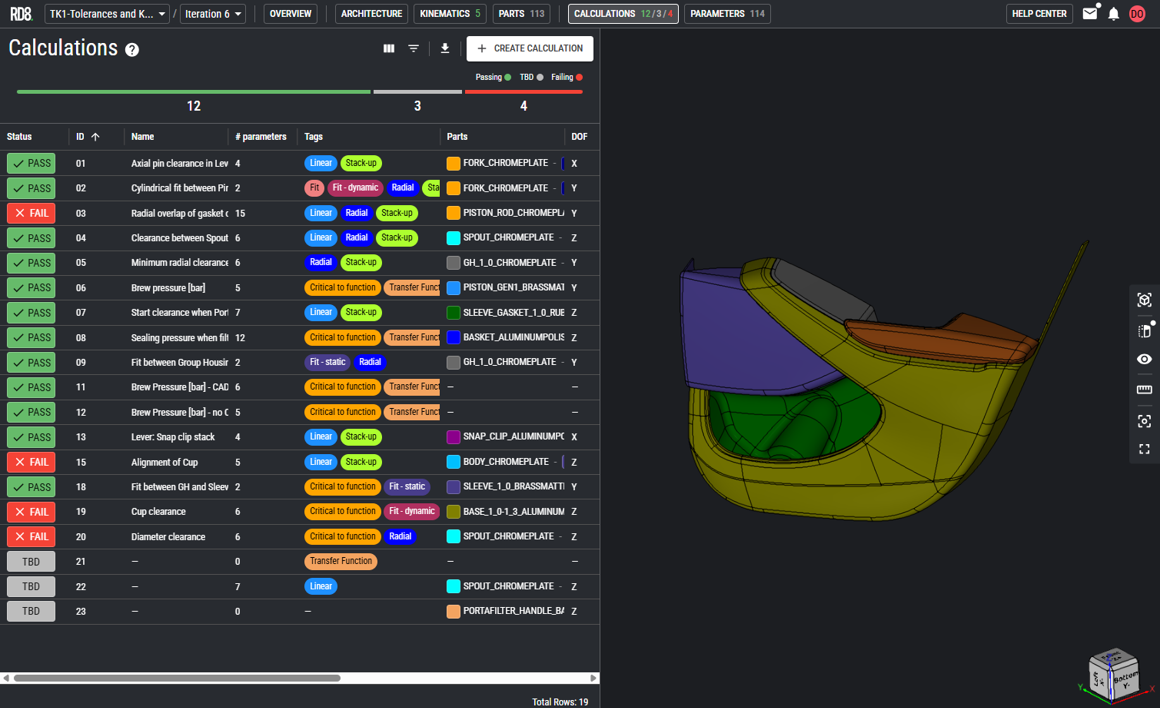
Every additional constraint adds coupling between parts. More interfaces mean more tolerance stacks, which require tighter specifications to maintain function. This complexity cascades through manufacturing and assembly, increasing cost and risk.
Traditional design methods rarely question these constraints early, so problems surface late when changes are expensive. The solution is twofold: remove unnecessary overconstraints and allocate tolerances based on functional requirements, not arbitrary limits. Simplifying tolerance stacks through robust design reduces scrap, accelerates assembly and reduces overall cost both in development and production while maintaining high quality.
Smart Design through Robust Principles
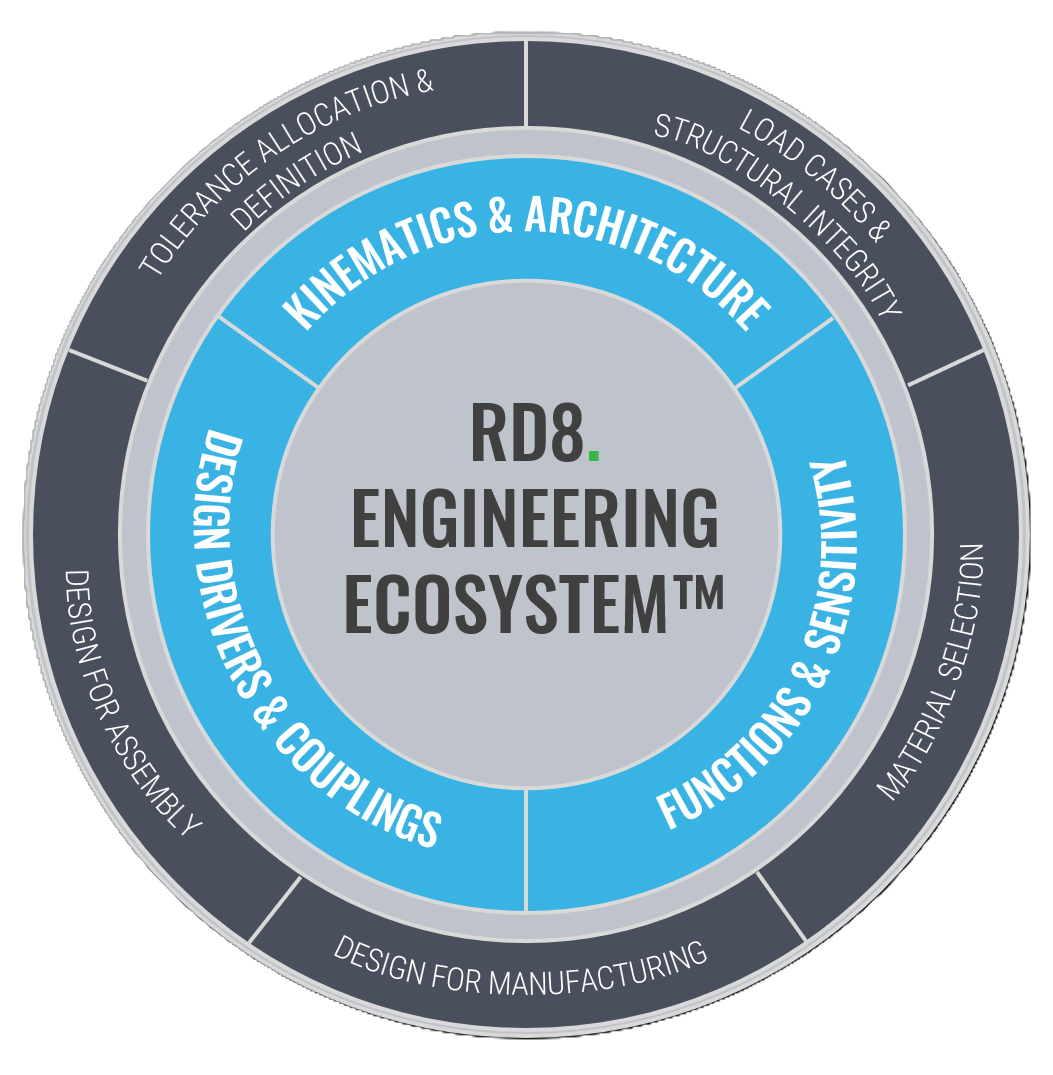
RD8 applies all Robust Design disciplines, including kinematics and tolerance analysis right from the concept stage. By improving the kinematic score, we eliminate overconstraints and ensure predictable force paths.
Functional tolerance allocation replaces guesswork with data-driven decisions, improving both cost and performance. This approach simplifies interfaces, reduces tight specs, and creates designs that are easier to manufacture and assemble.
The outcome: lower cost, higher quality, and faster development without compromising reliability.
Read more about our Robust Design approach here:
Reinventing the oil pump
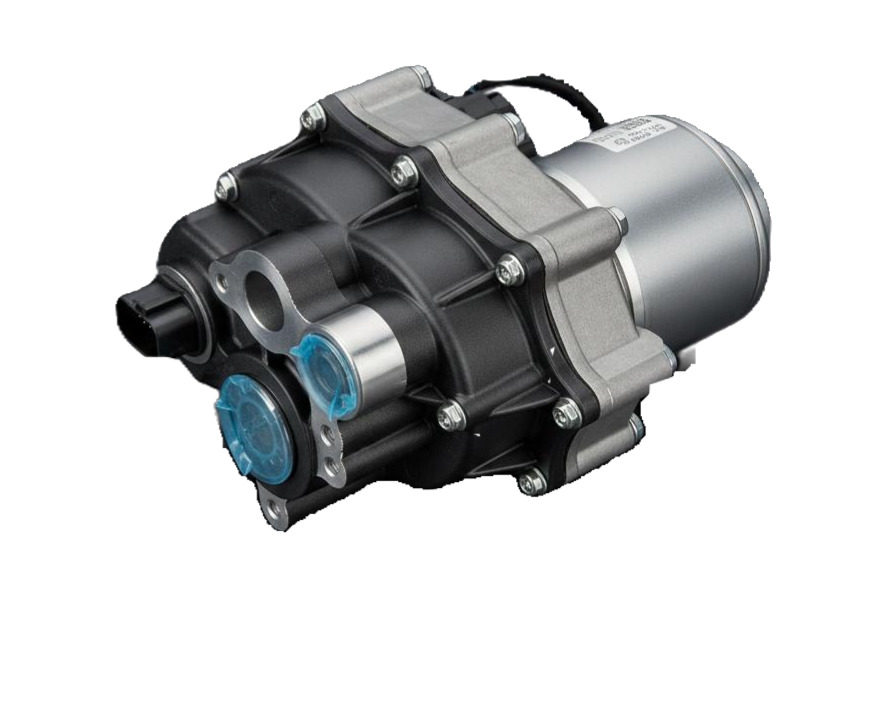
As oil pump designs evolve beyond established engineering principles, understanding force paths, kinematics, and variation becomes critical.
RD8 is particularly valuable for these challenges, uncovering functional risks and tolerance interactions early in development.
This enables robust, innovative designs that meet efficiency, performance, and cost targets without extending development time.
Get in touch with our experts
Lets share viewpoints on next-level design.
Want to know more about:
Shoot us a message and we will get back as soon as possible.


By submitting, you accept RD8's Privacy Policy and Terms of Service.