

Pharmaceutical Engineering Consultancy by Actual design changes
Pharmaceutical engineering consulting is delivered for manufacturers that need more reliable aseptic filling lines, stronger GMP support, and better production performance via actual equipment design changes.
Complex mechanical issues that reduce OEE, increase interventions, and slow compliant manufacturing are solved through focused engineering support.

Focused expertise for the toughest pharmaceutical manufacturing challenges
What pharmaceutical manufacturing systems does rd8 support?
Aseptic Filling and Vial Handling Systems
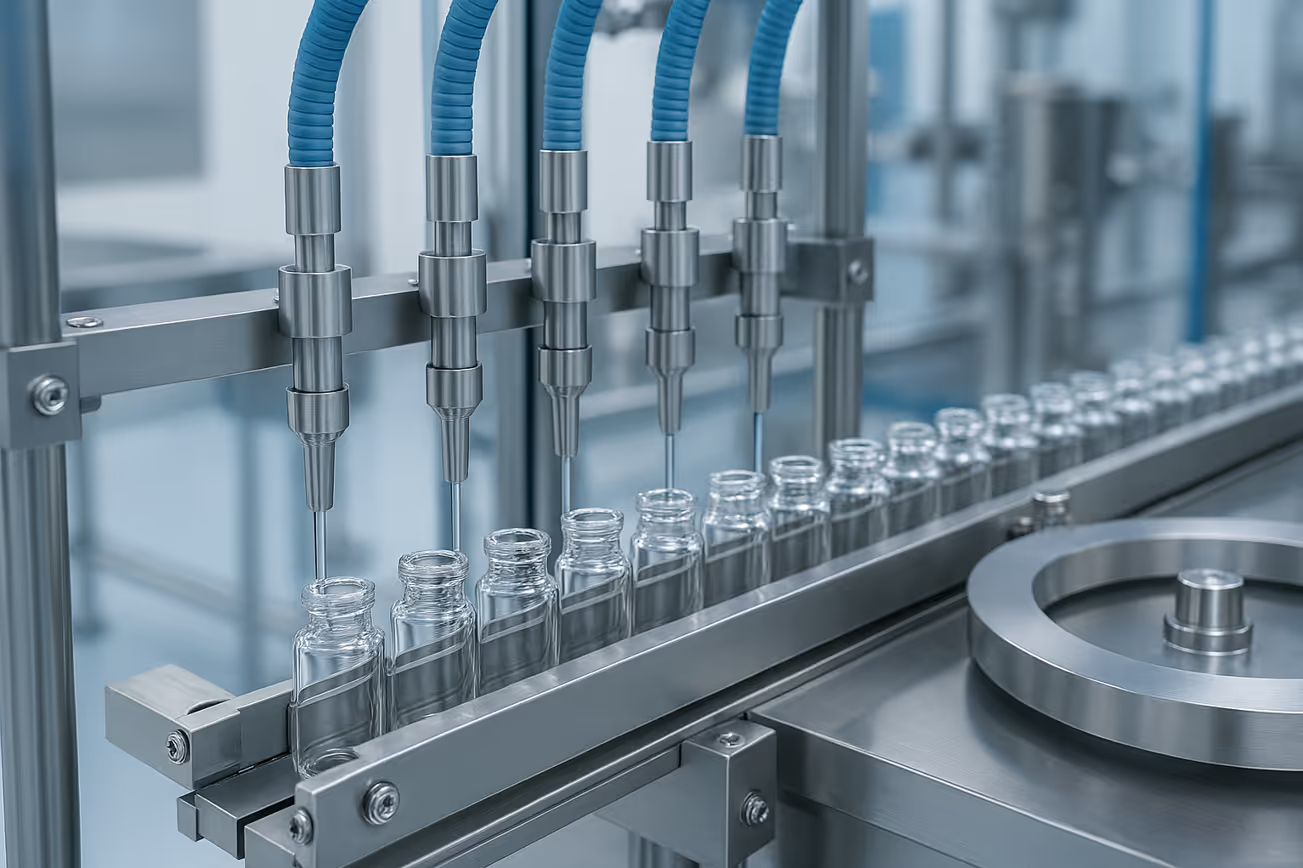
Aseptic filling and vial handling systems are supported by improving the mechanical interfaces that control positioning, transfer, filling, and line stability in contamination-controlled pharmaceutical production.

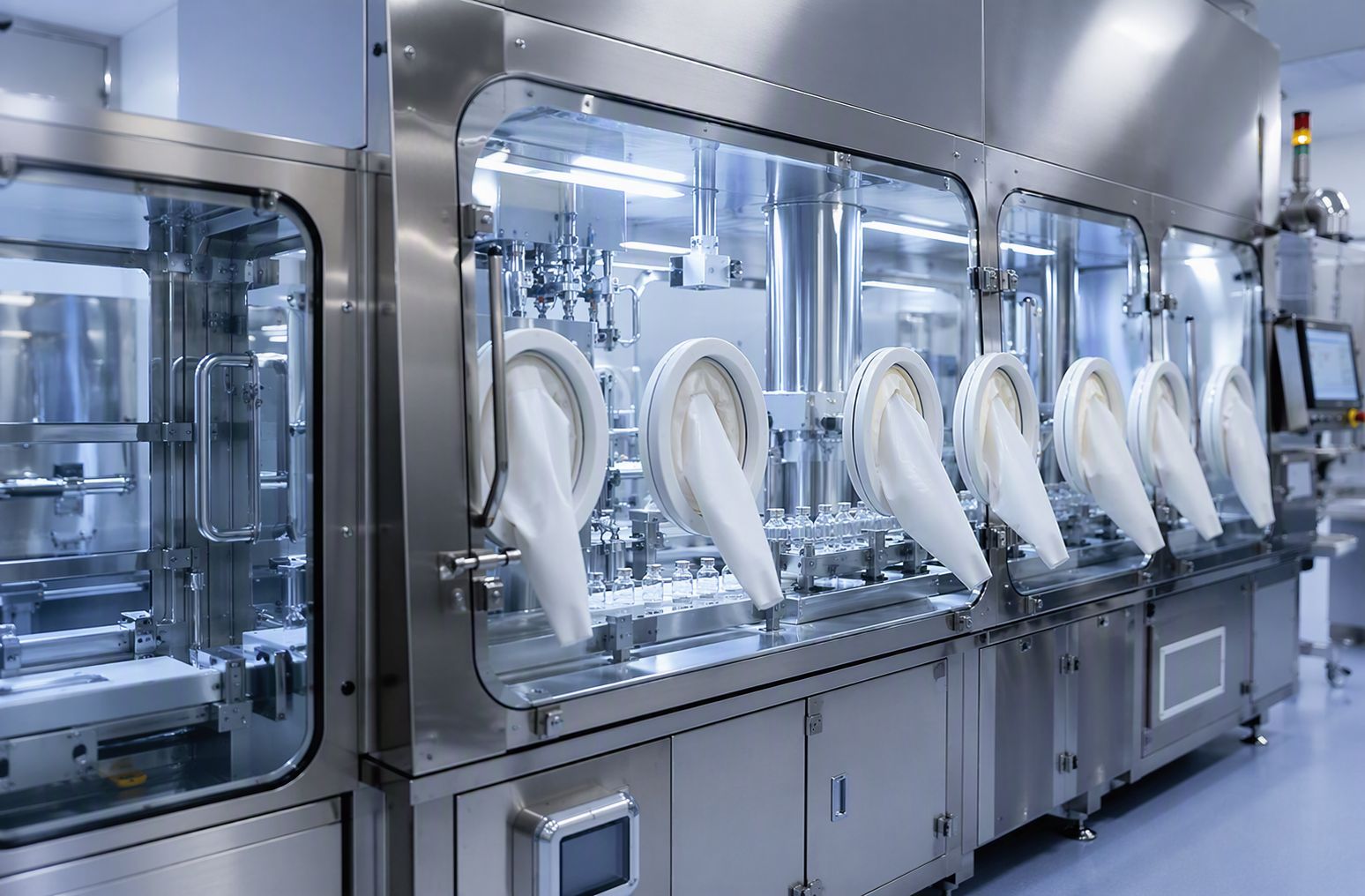
Isolator and Barrier Systems
Isolator and barrier system interfaces are supported where mechanical design affects cleanability, access, intervention risk, and stable aseptic operation in GMP-regulated environments.
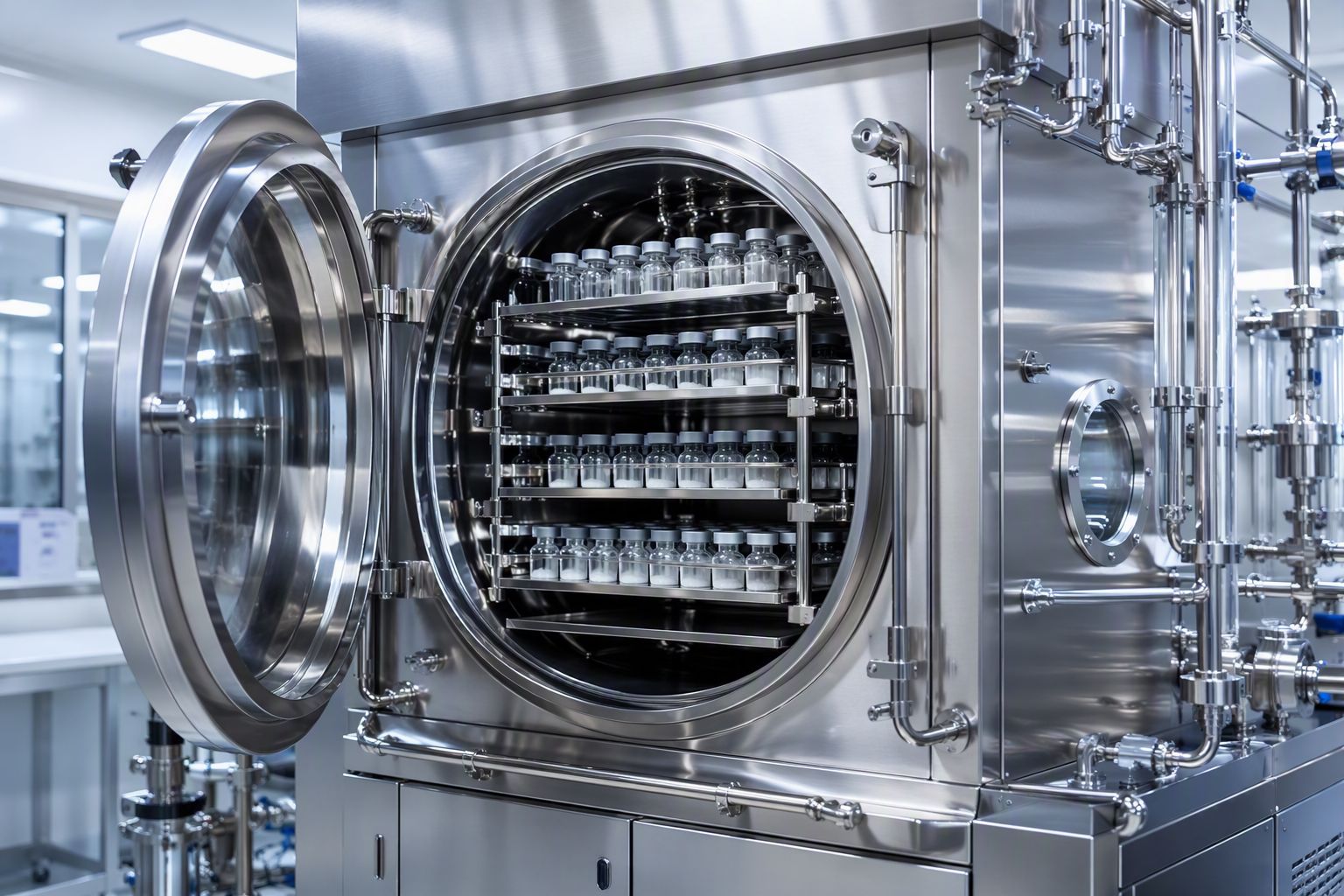
Freeze Dryer ALUS Systems
Mechanical transfer solutions and intervention-reduction measures around aseptic processes are supported to improve equipment reliability, reduce manual handling, and support compliant pharmaceutical line performance.
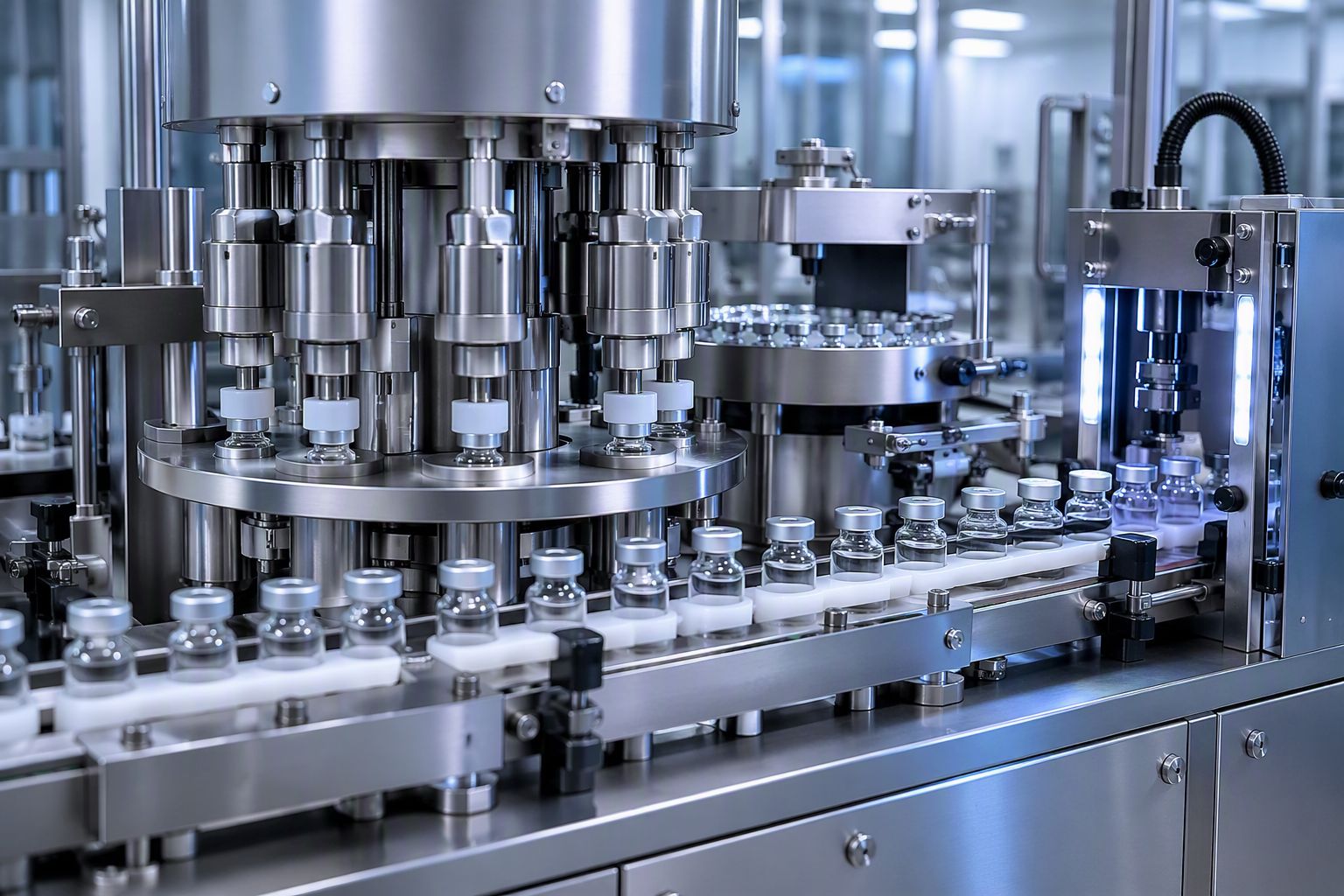
Capping and Post-Processing Equipment
Capping and post-processing equipment are improved by addressing mechanical instability, transfer issues, and design weaknesses that reduce throughput, quality, and operational robustness.
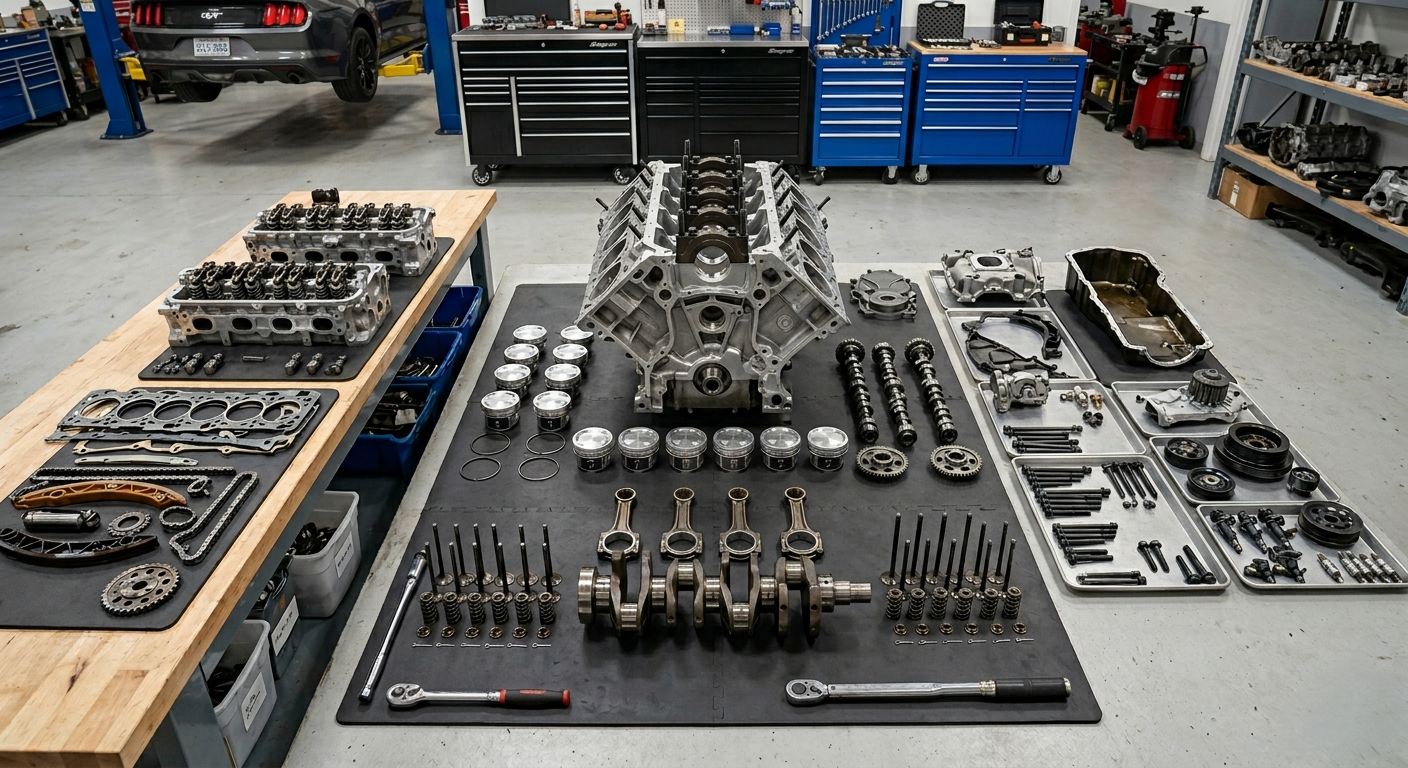
Washing and Sterilization Systems
Washing and sterilization system interfaces are supported where mechanical design influences part handling, cleanability, reliability, and downstream pharmaceutical production performance.
What Engineering principles guide RD8's work?
how does mechanical engineering suppport each stage of pharmaceutical manufacturing IMprovement?
Mechanical engineering supports each stage of pharmaceutical manufacturing improvement by turning line issues into structured actions, from failure analysis and concept development to redesign, implementation, and stabilisation.
1. Line Assessment and Failure Investigation
2. Concept and Solution Development
3. Mechanical Redesign and Validation Support
4. Commissioning, Stabilization, and Production Optimization
What is pharmaceutical engineering consulting?
Pharmaceutical engineering consulting applies engineering expertise to improve equipment, processes, and manufacturing performance in GMP-regulated pharmaceutical production environments. Actual changes to real systems - implemented and tested.
Manufacturing Performance and Reliability Engineering
Engineering for GMP and Annex 1 Compliance
Mechanical Troubleshooting and Failure Resolution
Turn-Key Engineering Support From Assessment to Implementation
what mechanical engineering services are provided for pharmaceutical Manufacturing?
Filling Line Redesign and Optimization
Filling line redesign and optimization improve critical equipment and interfaces that limit speed, stability, quality, or compliance. Mechanical functions within pharmaceutical filling lines are redesigned to increase OEE, reduce risk, and support more robust manufacturing.
Aseptic Filling Station Design
Needle and Vial Alignment and Handling Optimization
Throughput and Mechanical Stability Improvements
Annex 1 and GMP Engineering
Annex 1 and GMP engineering improve pharmaceutical equipment design so lines reduce interventions, support contamination control, and operate with compliance built into the mechanical solution. Practical redesigns make compliant operation easier to sustain in daily production.
Reduction of Human Interventions
Simplified and Compliance-Oriented Equipment Design
Root-Cause Analysis and Troubleshooting
Root-cause analysis and troubleshooting identify the physical and mechanical reasons behind recurring failures, downtime, or unstable production on pharmaceutical lines. Structured investigation separates symptoms from root causes and defines corrective actions that solve the underlying problem.
Physics-Driven Failure Investigation
Mechanical Root-Cause Identification
Corrective Design Implementation
OEE and Production Performance Improvement
OEE and production performance improvement target the mechanical losses that reduce availability, performance, and quality on pharmaceutical lines. Removing the causes of recurring stops, slow cycles, and unstable operation makes output more predictable and efficient.
Reduction of Stops and Scrap
Cycle Time and Throughput Optimization
Removal of Mechanical Constraints
Batch Changeover Optimization
Batch changeover optimization improves the mechanical setup of pharmaceutical equipment so product changes can be completed faster, with less complexity and lower risk of error. Adjustment points, format parts, and changeover-critical features are redesigned to support flexible and repeatable operation.
Reduction of Batch Changeover Time
Reduction of Batch Changeover Complexity
Format Part Optimization
Design for Sterilization and Cleanability
Design for sterilization and cleanability improves pharmaceutical equipment and parts so they are easier to sterilize, easier to clean, and better aligned with hygienic production needs. Mechanical solutions reduce cleaning difficulty while maintaining functional performance.
Autoclave-Compatible Format Part Design
VHP Sterilization-Compatible Components
Cleanability and Operator Ergonomics
Robustness and Reliability Engineering
Robustness and reliability engineering strengthen pharmaceutical equipment so it performs consistently despite variation in tolerances, operating conditions, and real-world production disturbances. This approach reduces sensitivity, improves stability, and supports dependable manufacturing performance.
Engineering Margin and Stability Analysis
Reduced Need for Risky Interventions
Validation-Conscious Line Modifications
Validation-conscious line modifications improve pharmaceutical equipment while taking implementation and qualification needs into account from the start. Meaningful mechanical changes can then be made in a way that supports technical clarity, traceability, and reduced validation disruption.
Minimizing Validation Impact
Validation Support During Line Modifications
Risk-Reduced Line Modifications
What Outcomes Does Pharmaceutical Engineering Consulting Help Achieve?
What pharmaceutical Engineering Expertise Does RD8 Bring?
Pharmaceutical engineering expertise combines mechanical problem solving, Robust Design, and practical improvement of regulated manufacturing equipment.
Aseptic Filling Line Engineering Expertise
Mechanical Optimization and OEE Improvement Expertise
Annex 1 and GMP Engineering Expertise
Mechanical Troubleshooting Expertise
Reliability and Robustness Engineering Expertise
Who works with RD8 for Pharmaceutical engineering consulting?
Pharmaceutical manufacturing organisations (Originators and CDMOs) and the teams responsible for regulated production equipment (OEMs) typically work with this type of pharmaceutical engineering consulting support.
Pharmaceutical Manufacturing Organizations
Life Science Production Teams
Validation and Engineering Departments
Operations and Maintenance Teams
OEMs
How do teams work with rd8?
Teams work through flexible collaboration models that range from rapid-response support to embedded engineering leadership and longer-term advisory engagement.
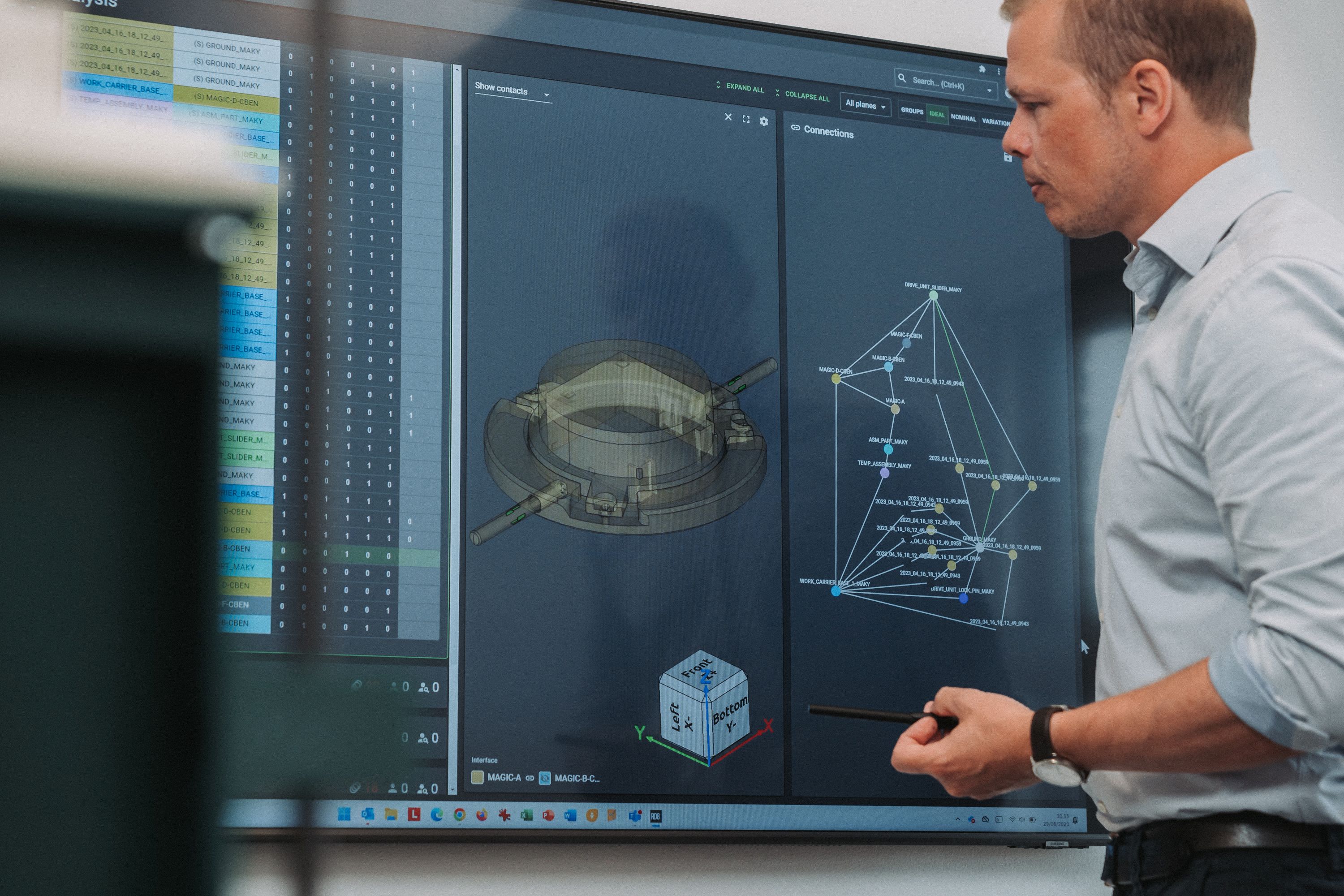
Rapid Response Task Force
Embedded Mechanical Lead Support
Project-Based Engineering Support
Strategic Technical Advisory Support
Why do teams work with rd8?
Teams choose this support because they need pharmaceutical engineering consultants who improve production performance while staying grounded in the realities of GMP-regulated manufacturing and actually deliver solutions to problems and not just analysis.
How can you start a pharmaceutical engineering improvement project?
A pharmaceutical engineering improvement project can start with a focused assessment, expand into redesign and implementation support, and build towards longer-term engineering collaboration as needs develop.
1. Production Line Assessment
2. Mechanical Redesign and Improvement Support
3. Long-Term Engineering Partnership
Frequently Asked Questions About pharmaceutical engineering consulting
Find answers to common questions about pharmaceutical engineering consulting below.
How Does Mechanical Engineering Improve Pharmaceutical Manufacturing Performance?
Mechanical engineering improves pharmaceutical manufacturing performance by redesigning the equipment features that limit reliability, throughput, cleanability, and stable daily operation. When those mechanical causes are removed, pharmaceutical lines can run with fewer disturbances, better compliance support, and more predictable output.
What Are the Most Common Mechanical Challenges in Pharmaceutical Filling Lines?
"Common mechanical challenges in pharmaceutical filling lines include:
- Unstable vial transfer and handling that causes jams, stops, or collisions
- Needle positioning and needle handling issues that reduce filling reliability
- Mechanical variation that creates inconsistent performance across batches
- Difficult batch changeovers caused by complex adjustments or weak format-part design
- Equipment designs that require repeated operator intervention in sensitive GMP areas
- Line elements that limit speed, robustness, or predictable throughput"
How Can Engineering Reduce Human Interventions in GMP Environments?
Engineering reduces human interventions in GMP environments by redesigning equipment so fewer manual corrections, adjustments, and intrusive actions are needed during operation. This lowers contamination risk, supports sterility assurance, and helps pharmaceutical production teams maintain stable output with less reliance on operator workarounds.
How Does RD8 Support GMP Annex 1 Implementation?
Support for GMP Annex 1 implementation comes through redesigned mechanical solutions that reduce interventions, improve cleanability, and strengthen contamination-control performance on pharmaceutical lines. This helps manufacturers align equipment behaviour more closely with Annex 1 expectations while also improving operational robustness.
How Can Mechanical Engineering Improve OEE on Pharmaceutical Lines?
Mechanical engineering improves OEE on pharmaceutical lines by removing the design-related causes of downtime, slow running, scrap, and unstable operation. By improving line elements and equipment behaviour at the mechanical level, teams can achieve higher uptime, better throughput, and more reliable production performance.
How Can Batch Changeover Time and Complexity Be Reduced?
Batch changeover time and complexity can be reduced by simplifying equipment adjustments, improving format parts, and redesigning changeover-critical functions so operators can switch batches faster and with less effort. This cuts downtime, lowers the risk of error, and supports more flexible pharmaceutical manufacturing.
How Are Mechanical Root Causes Identified on Production Lines?
Mechanical root causes are identified on production lines through structured troubleshooting that examines equipment behaviour, failure patterns, physical constraints, and operating conditions. This makes it possible to distinguish symptoms from underlying causes and define improvements that solve the problem more permanently.
Does RD8 Offer Training or Academy Programs for Engineering Teams?
Yes. Advanced product Robust Design training and academy programmes are offered to help engineering teams strengthen structured mechanical problem solving and robust development methods.
Does RD8 Provide Tolerance Stack-Up Analysis Software?
Yes. Tolerance stack-up analysis software is available to help engineering teams analyse variation, understand tolerance effects, and support more robust mechanical design decisions.
Get in touch with our experts
Talk to our team about
Shoot us a message and we will get back as soon as possible.


By submitting, you accept RD8's Privacy Policy and Terms of Service.