

Mechanical foundations for autonomy and reliability
At RD8, we design to allow for variation, instead of trying to prevent it. This approach leads to robust products that you can trust.

Autonomy Starts with Mechanical Confidence
When developing autonomous systems, most attention goes to software. Yet the mechanical foundation often determines whether the system can meet safety and reliability targets.
New regulations such as ECE R79 introduce unfamiliar requirements, and companies respond by adding redundant systems to mitigate risk. This overengineering inflates cost, increases complexity, and creates more failure points.
Without proven experience in these new architectures, teams lack confidence in their designs and struggle to balance safety, performance, and time-to-market.

Unknowns in Mechanical Designs Drive Risk
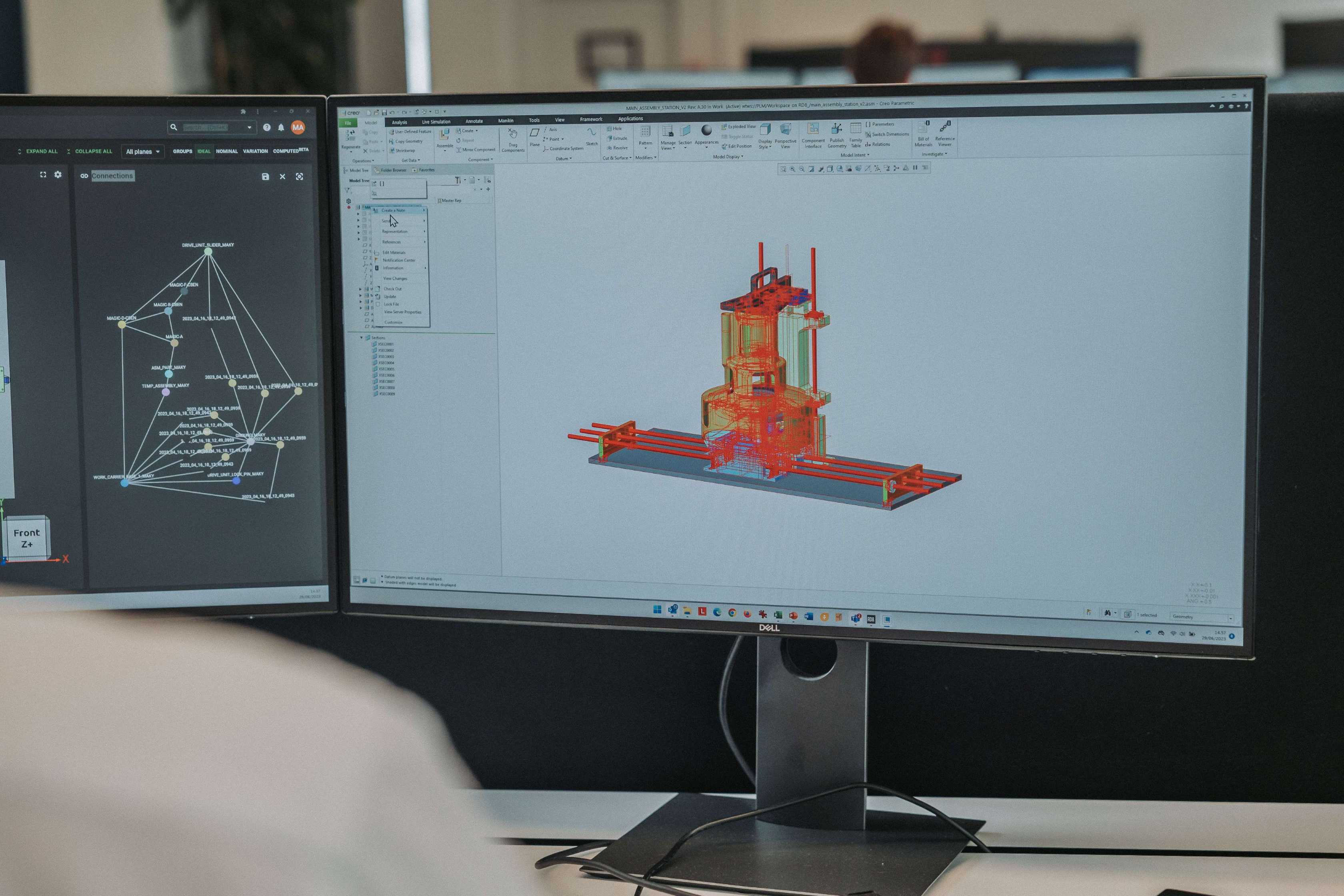
Autonomous systems remove human input,which means mechanical components must perform flawlessly under all conditions. New concepts introduce unknowns in kinematics, force paths, and tolerance behavior that cannot be solved by incremental improvements. Late discovery of these issues leads to cascading redesigns and excessive backup systems. These add complexity and cost without guaranteeing reliability.
The solution is to identify variation risks early and design for robustness at scale, ensuring predictable performance even in unfamiliar environments.
Data-Driven Confidence for Autonomous Mobility
Our approach is industry-independent and fully data-driven, designed to complement the deep domain knowledge of automotive engineers. When new requirements and unfamiliar architectures introduce unknowns, RD8 provides clarity through objective metrics and proven principles. This partnership enables experts to make informed decisions and innovate confidently without adding time to market.
We are not solely automotive experts, and that is our strength. RD8 introduces design quality scores from the earliest concept stage, tracking progress across all eight disciplines throughout development, independent of the industry. These metrics highlight improvement trends, pinpoint weak areas, and provide a clear answer to the question: When is a design good enough?
By making robustness measurable and transparent, we reduce uncertainty and prevent costly late-stage fixes, enabling predictable performance in safety-critical systems.

Steer-by-wire Steering Gear
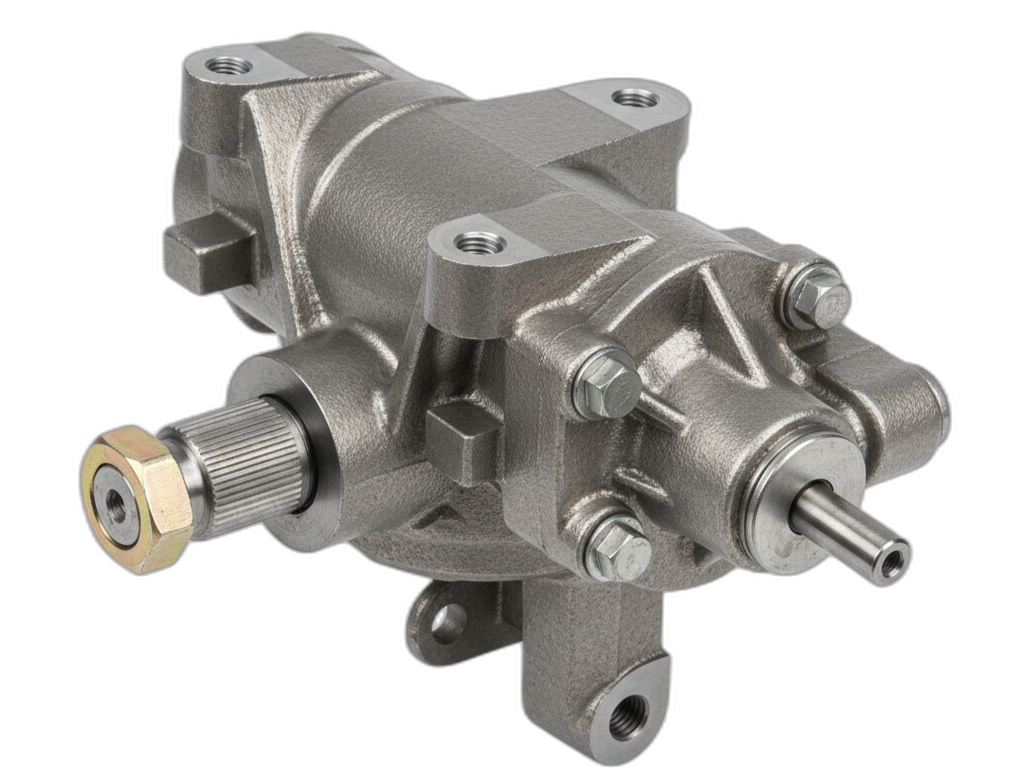
Using the RD8 Engineering Design Tool to evaluate and improve the design of steer-by-wire steering gear. Both the kinematics and tolerances were analyzed to maximize the potential of the unit.
Steer-by-wire systems remove the mechanical link between the steering wheel and the road wheels, enabling advanced driver assistance and autonomous features.
But this innovation introduces unfamiliar mechanical challenges. Without decades of field data to rely on, engineers face unknowns in force paths, tolerance behavior, and especially maximum load scenarios.
These systems are safety-critical and must perform flawlessly under every condition, such as curb-strike loads. When reliability cannot be guaranteed, OEMs add redundant backup systems, increasing weight, complexity, and introducing new potential failure modes.
RD8 addresses these risks in a steering gear right from the concept stage by mapping functional tolerance stacks and analyzing force paths under normal and overload conditions. Instead of relying on late-stage fixes, RD8 makes robustness measurable early, so critical risks are identified before they escalate.
This proactive approach minimizes unnecessary redundancy, reduces complexity, and ensures designs meet safety and performance targets without compromising development speed.
Get in touch with our experts
Lets share viewpoints on next-level design.
Want to know more about:
Shoot us a message and we will get back as soon as possible.


By submitting, you accept RD8's Privacy Policy and Terms of Service.